Hey everyone,
If you’ve ever spent time on a job site—whether you’re a DIYer tackling a bathroom reno, a contractor wrapping up a commercial build, or even just a homeowner fixing up your basement—you’ve probably stumbled upon Angle Corner Profiles without even realizing it. I’m not just some guy typing at a desk; I’ve been supplying these bad boys for over 10 years, and let me tell you, they’re way more than just random pieces of metal or plastic. Most people sleep on them until they skip using one and end up with a chipped tile edge, a cracked drywall corner, or a paint job that looks like it was done by a toddler with a wobbly hand. Today, I’m breaking down the real, down-to-earth advantages of using an Angle Corner Profile—no corporate jargon, just the stuff I’ve seen actually make jobs easier (and cheaper) for every type of person I work with. Angle Corner Profile
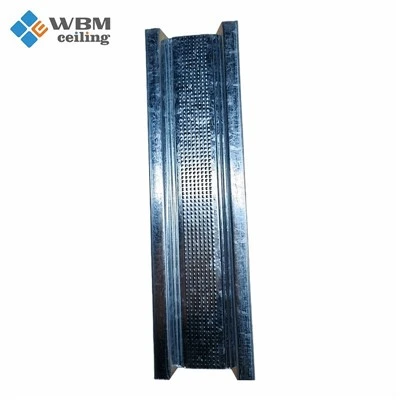
First off, let’s cut to the most obvious but most underrated win: edge protection. I’ve seen so many jobs where a guy decides to just sand drywall corners straight or tile them without a profile, and three months later? The corner’s chipped, knocked loose, or cracked. Think about it—corners are the most exposed parts of any wall. They get bumped by doorframes, vacuum cleaners, moving boxes, kids running with toys, even that overstuffed couch you’re trying to maneuver around a room. If you don’t cap that fragile drywall or tile edge with a profile, that corner is a ticking time bomb. I had a contractor client last year who was doing a 12-unit apartment complex—he skipped profiles on the drywall corners to save a few bucks on materials. Six months in, he had 180+ service calls for chipped corners. Replacing that drywall and repainting each unit cost him like $15k total. If he’d just used Angle Corner Profiles from the jump, that would’ve been like $300 total. That’s not even a trade secret—that’s just math. And it’s not just drywall. Tile edges? They’re super brittle, especially ceramic or porcelain. A profile covers the raw, sharp tile edge and turns it into a smooth, rounded or squared edge that won’t chip when someone brushes up against it. I’ve also seen these used on outdoor projects—like patio tiling or fence posts—where weather and impact are even worse. The right profile won’t rust, crack, or fade like bare materials, so that corner stays intact for years.
Next up, we’re talking about making that finished look way more professional—even if you’re not a pro. Let’s be real: most DIYers aren’t drywallers or tile setters by trade. Getting a straight, clean corner without a profile feels like trying to draw a perfect line with a crayon. Angle Corner Profiles are rigid, pre-measured, and have that built-in right angle that’s literally impossible for most people to replicate freehand. I remember a DIYer who reached out to me last month—he was remodeling his kitchen backsplash and was stressing because his tile corners kept coming out uneven, some slanted this way, some that. He ordered our metal corner profiles, and he texted me a pic the next day that was so crisp, I almost thought a pro had done it. The profile acts as a guide, so you don’t have to eyeball the angle. For painters? Same thing—cutting in corners by hand can leave lines that are thick, streaky, or uneven. A plastic or metal profile (if you leave it on while painting) gives you a sharp, clean line, so you don’t have to go back and fix messy edges. Even for commercial jobs, this consistency is huge. No more patchy corners or uneven lines that make a whole building look shoddy. Tenants, customers, whoever—they notice that stuff, even if they can’t put their finger on why a space feels off. A consistent, sharp corner just reads “well-built” without anyone having to point it out.
Then there’s the time and money saver—let’s call it the “no more do-overs” advantage. I mentioned the apartment complex earlier, but this applies to every single job. When you don’t use a corner profile, you end up spending more time fixing mistakes than you do on the actual job. For drywall tapers, taping and mudding a corner freehand takes twice as long as just embedding a profile first. The profile gives the mud a straight edge, so you don’t have to keep sanding and re-coating to get it smooth. For tilers, cutting tile to fit a corner exactly is a pain—if you even cut it perfect, the raw edge is sharp and easy to chip while you’re installing. A profile covers the edge, so you can cut tile straight, no fancy miter cuts needed, and get it done faster. That contractor I worked with on a retail store last year? He used our vinyl corner profiles on all the drywall and said it cut his installation time by 15% across the whole project. Fifteen percent might not sound like a lot, but when you’re paying your crew $25 an hour, that’s thousands of dollars saved in labor. And on top of that, the profile means less need for patching or repainting later. No more touching up chipped corners months after the job is done—you’re done once, and it stays done.
Wait, let’s not forget about accessibility and safety—something that a lot of people overlook. Sharp, raw edges on drywall, tile, or even plaster are a hazard, especially in places with kids or elderly people. I had a customer who runs a daycare center call me a while back because a toddler scraped their hand on a raw drywall corner that didn’t have a profile. They had to put a band-aid policy in place and do monthly corner checks, which was a hassle. Angle Corner Profiles cover those sharp edges, turning a potentially dangerous spot into a smooth, safe surface. They’re also great for people with mobility issues or visual impairments—no one’s going to catch their wheelchair, walker, or cane on a raw corner. For commercial spaces like hospitals, schools, or senior centers, this is non-negotiable. OSHA even has guidelines about edge protection in workplaces, and using a corner profile is one of the easiest, most cost-effective ways to meet those requirements without spending a fortune on other safety measures.
Another big one: versatility. You’d be surprised how many different materials and styles these profiles come in, so they work for almost any job. Do you need something cheap for a temporary basement reno? We have flexible vinyl profiles that are easy to cut and work great for indoor, low-impact spaces. Need something for a bathroom that gets super steamy? We have stainless steel profiles that won’t rust or corrode. Want to match your tile or trim? We have aluminum profiles that come in every color under the sun—matte black, brushed nickel, even wood grain finishes. I’ve seen these used on everything from interior drywall corners to exterior concrete walls, from small residential bathrooms to big box store construction. They can be cut to any length, bent slightly for curved corners if you want a more modern look, and installed with just adhesive or screws depending on the material. There’s no one-size-fits-all, which is why I make sure to chat with every customer to figure out what they actually need, not just push the most expensive one.
Let’s also talk about moisture and mold resistance, especially for high-moisture areas. Bathrooms, basements, laundry rooms—these are spots where water and humidity are constant, and drywall or plaster can get damaged if it’s not protected. If you install a regular drywall corner without a profile, the edge is exposed to all that moisture, so it can warp, rot, or grow mold. Most Angle Corner Profiles—especially the vinyl or stainless steel ones—are non-porous, so water can’t seep in. They act as a barrier between the corner and moisture, which means the wall stays intact longer. I had a customer who lives in a flood zone in Florida—he used our PVC corner profiles in his laundry room, and after a heavy storm that flooded his garage, the wall with the profile was completely fine, while the adjacent wall without it had to be replaced. That’s a huge difference for people in areas with extreme weather or high humidity.
Now, I know some of you are thinking, “This sounds great, but is it actually that easy to install?” Let’s be real—no one wants to spend all day installing something extra. Most Angle Corner Profiles take 10 minutes or less per corner. For drywall, you just apply a thin layer of joint compound, press the profile into the corner, and then mud over it like normal. For tile, you can place the profile at the edge of the tile as you’re setting it, or apply it with adhesive after the tile is cured. I send out little how-to tips with every order, and I’ve had DIYers tell me they installed a whole bathroom backsplash in a weekend with no issues. It’s not rocket science—anyone can do it, even if you’ve never done a home project before.
Look, at the end of the day, I’m not here to sell you something you don’t need. But I’ve been in this game long enough to see the mistakes that people make when they skip these profiles. Whether you’re a homeowner doing a small reno, a contractor juggling a dozen jobs, or a property manager keeping units in good shape, Angle Corner Profiles aren’t just an extra cost—they’re an investment. They save you time, money, hassle, and even stress. They make your finished product look way better, last longer, and be safer.
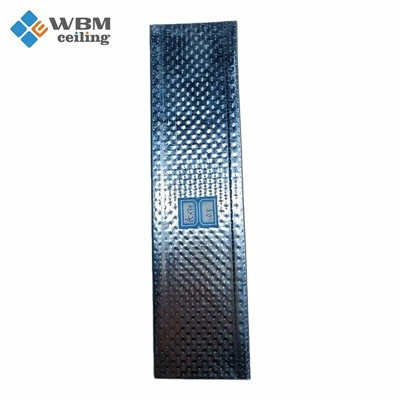
If you’re working on a project right now and wondering which profile is right for you, or if you just want to chat about what I’d recommend for your specific space, hit me up. I don’t do pushy sales stuff—just honest advice from someone who’s been in the field for years. No hidden fees, no weird contracts, just quality profiles that do what they say they’ll do.
U Type Ceiling Profile References:
- National Association of Home Builders. (2022). "Residential Construction Best Practices for Edge Protection". Home Building Magazine, 45(3), 12-18.
- Occupational Safety and Health Administration. (2021). "Workplace Edge Hazards and Prevention Standards". OSHA Technical Manual, Section 5, Chapter 1.
- Tile Council of North America. (2020). "Installer Guide for Ceramic and Porcelain Tile Edge Finishes". TCNA Handbook for Ceramic Tile Installation, 7th Edition.
- American Drywall Association. (2023). "Time and Cost Analysis of Corner Reinforcement in Drywall Installation". Journal of Wall and Ceiling Industry, 31(2), 22-27.
Langfang Weikaihua Building Material Co., Ltd.
Langfang Weikaihua Building Material Co., Ltd. is one of the most professional angle corner profile manufacturers and suppliers in China, featured by quality products and low price. Please rest assured to buy discount angle corner profile from our factory. Contact us for customized service and free sample.
Address: Peng Er Wan Villiage, Zhao Ge Zhuang Town, Wen’an County, Langfang City, Hebei Province, China
E-mail: joyce@wbm.cc
WebSite: https://www.wbmceiling.com/
