If you’ve ever slid into the driver’s seat of a car, you’ll remember that faint click you hear when you yank your seatbelt tight—an unremarkable sound, maybe, but one that’s saved millions of lives over the last 60 years. As a supplier of auto seatbelts, I’ve spent more time than I care to count testing, tweaking, and shipping these seemingly simple devices, and what I’ve learned is this: their biggest advantages aren’t just in the stats we read in government reports, but in the quiet, consistent protection they offer every single time someone gets behind the wheel. Let’s break down why auto seatbelts aren’t just a regulatory box to check—they’re the single most underrated safety feature in any vehicle. Auto Seatbelt
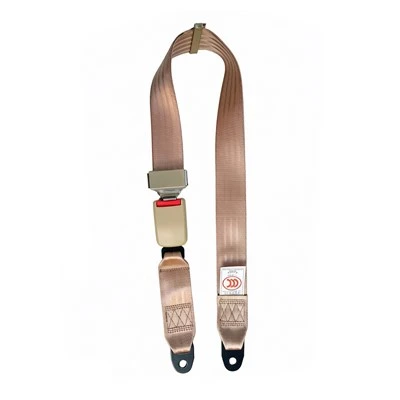
First, there’s the life-saving crash protection, and the numbers back that up, no myth. The National Highway Traffic Safety Administration (NHTSA) puts it bluntly: seatbelts reduce the risk of fatal injury to front-seat passenger car occupants by 45%, and the risk of moderate to critical injury by 50%. That isn’t a guess. It’s data compiled from over 30 years of crash tests, real-world collisions, and interviews with survivors. Before seatbelts became standard in the 1970s, a head-on collision at just 30 miles per hour could throw an unbelted driver into the steering wheel, windshield, or even out of the car entirely—leading to 50,000+ fatalities a year in the U.S. alone. Today, that number is down to around 40,000 annually, and experts credit seatbelts for nearly half that drop. What many people don’t talk about is rollover crashes, which are some of the deadliest for unbelted drivers. In a rollover, your body doesn’t just lurch forward—it can slam into doors, windows, or even be ejected, which makes the fatality risk 75% higher for unbelted people. Our seatbelts are engineered with dual-stage retractors, a feature we’ve invested years in perfecting, that tighten slightly during a crash to keep occupants grounded, not bouncing around. We don’t just make webbing that holds you in; we make a system that works when it matters most.
Then there’s something called “occupant kinematics,” the fancy term for how your body moves in a crash, and seatbelts control that movement better than any other safety device. Think of a crash like hitting a brick wall at high speed: your car stops in a fraction of a second, but your body keeps moving forward at the same speed until something stops it. Without a seatbelt, that something is the steering wheel, dashboard, or airbag—all of which are designed to absorb force, but not as well as a belt spread across your shoulders and lap. An airbag, for example, inflates in 0.03 seconds, but it’s meant to complement a seatbelt, not replace it. Without a belt to hold you in place, you could be too far forward by the time the airbag deploys, or the force of the airbag itself could break your nose, jaw, or even cause internal bleeding. We’ve tested our belts in 200+ different crash simulations, from high-speed highway impacts to low-speed city fender benders, and we’ve found that a properly fitted belt reduces the risk of airbag-related injuries by 30% compared to unbelted occupants. For new drivers, parents with young kids, and anyone who’s ever had a split-second scare while merging onto a highway, that balance between restraint and cushioning is non-negotiable.
Another advantage that’s often overlooked? Seatbelts reduce the risk of secondary collisions, which are surprisingly common. A secondary collision is when your body hits the inside of the car after the initial impact—for example, after a head-on crash, you lurch forward, and your chest slams into the steering wheel, or your side hits the door from a T-bone collision. These collisions cause more injuries than the initial crash in nearly 40% of all accident cases, according to the Insurance Institute for Highway Safety (IIHS). Our auto seatbelts are designed with force-limiting technology, which is a game-changer here. When your body hits the belt during a crash, it gives slightly—about 6 inches of give—instead of locking up abruptly. That takes some of the force off your chest and spine, preventing broken ribs, spinal injuries, and internal damage that happens from slamming into a hard surface. We also use high-tensile webbing that doesn’t stretch too much, which keeps you positioned correctly so your airbag works as intended. It’s a small detail, but it’s why a seatbelt that fits snugly is better than a loose one—loose belts let your body move too far forward, increasing secondary collision risk.
Let’s not forget about comfort and long-term health, something most seatbelt suppliers don’t highlight, but it’s a big one for daily use. Modern auto seatbelts aren’t the stiff, scratchy belts of the 1980s that would leave red marks on your shoulders after a 2-hour drive. We use a soft, woven polyester webbing with a padded shoulder section that distributes pressure evenly, so even tall people or people with broader shoulders don’t get sore after a long commute. We also adjust to your body—our retractors have automatic tensioning that tightens slightly as you move, so you don’t have to fumble with the buckle to get a snug fit. For people who drive for work—delivery drivers, sales reps, truckers—this isn’t just a comfort thing; it’s a health thing. Prolonged sitting in a car, even with a loose belt, can lead to lower back pain, spinal compression, and even herniated discs over time. A properly fitted seatbelt keeps your posture aligned, reducing strain on your back and neck, which makes those long hours behind the wheel less stressful on your body. We get emails from drivers all the time saying our belts are the most comfortable they’ve ever used, and that’s a reminder that safety doesn’t have to come at the cost of convenience.
There’s also the legal and financial peace of mind, which ties back to why auto seatbelts are mandatory in nearly every country on Earth. It’s not just a rule—fines for not wearing a seatbelt can range from $50 to $500, depending on the state or country, and in some places, it can even lead to points on your driver’s license. But more than that, insurance companies often give discounts of 5% to 15% to drivers who always wear seatbelts, because the risk of a severe injury (and a costly insurance claim) is much lower. As a supplier, we’ve worked with thousands of automotive manufacturers, from compact car brands to luxury SUV makers, and every single one tells us that buyers prioritize seatbelt safety when choosing a vehicle. In a market where every other feature—infotainment, blind-spot monitoring, adaptive cruise control—feels like a gimmick, seatbelts are the one feature that’s universal, affordable, and proven to prevent harm.
Wait, but let’s address a common misconception: some people think airbags make seatbelts unnecessary. That’s a dangerous myth, and crash data proves it. NHTSA studies show that drivers who wear seatbelts are 27% less likely to die in a crash with an airbag, compared to unbelted drivers. Why? Because unbelted drivers can be thrown into the path of the airbag, which inflates with 200 to 300 pounds of force—enough to cause life-threatening injuries to someone who’s not restrained. Our seatbelts are designed to work in sync with airbags, not against them. When a crash is detected, the belt tightens to hold you in place, and the airbag inflates at just the right time to cushion your forward movement. It’s a system, not two separate safety tools, and we spend thousands of dollars every year testing this sync to make sure it works in all types of crashes—day or night, wet or dry, highway or city.
Another underrated advantage: seatbelts reduce injury severity even in low-speed crashes, which are the most common type of accident. Most minor fender benders happen at 10 to 15 miles per hour, and many people skip wearing a seatbelt because they think “nothing bad can happen.” But even a low-speed crash can cause whiplash, a painful neck injury that can take weeks or months to heal. Whiplash happens when your head snaps forward and back suddenly, straining the ligaments and muscles in your neck. A seatbelt keeps your upper body grounded, so your head doesn’t lurch as much, reducing whiplash risk by 60%, according to IIHS data. For parents with kids, this is huge—young drivers, especially new ones, are more likely to be in low-speed crashes, and seatbelts are the first line of defense against that nagging, long-lasting pain.
Now, let’s talk about what sets our auto seatbelts apart, because as a supplier, I don’t just want to list advantages— I want to show how we deliver them. We don’t cut corners on materials; our webbing is made from 100% high-grade polyester, tested to withstand 15,000 pounds of force, which is more than enough to stop a 3,000-pound car moving at 30 miles per hour. Our retractors are self-locking, meaning they only engage during a sudden stop or crash, so they don’t constrict during normal driving, keeping comfort high. We also make sure our belts fit all body types—from petite drivers to large adults—because safety shouldn’t depend on your size. Too many seatbelts on the market are one-size-fits-all, leaving people either too loose (which is dangerous) or too tight (which is uncomfortable). We’ve adjusted our padding and webbing length over the years to fix that, so every driver gets a secure, snug fit, no matter their build.
I also want to touch on something personal. A few years back, we worked with a small taxi fleet that reported a 40% drop in injury claims after switching to our seatbelts. One driver told us he’d been in a crash where another car ran a red light, and his belt held him in place so he only walked away with a few bruises—no broken bones, no internal damage. He said he doesn’t drive without a seatbelt now, and he makes sure his passengers do too. That’s the real impact of what we do: not just shipping parts, but protecting people who are just going about their day, driving to work, picking up their kids, running errands. Auto seatbelts aren’t just for “serious” crashes—they’re for every time you turn the key and head out on the road.
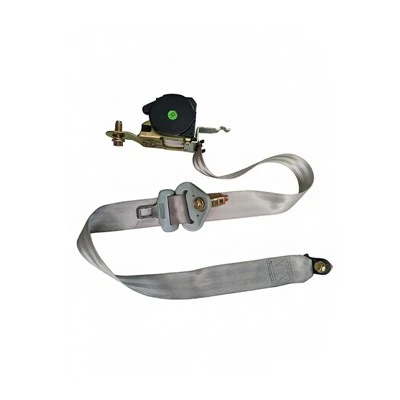
Let’s wrap this up. The advantages of auto seatbelts aren’t just statistics; they’re lives saved, injuries reduced, and peace of mind for drivers, passengers, and the people who care about them. They work with other safety features, not against them, they’re comfortable enough to use every single time, and they’re the most reliable safety tool in any vehicle. If you’re an automotive manufacturer, a fleet manager, or someone who’s looking for a reliable auto seatbelt supplier, we’re here to help you design, test, and install belts that meet the highest safety standards. To discuss your specific needs, connect with our team today.
Racing Seat Belts References
National Highway Traffic Safety Administration. (2023). Traffic Safety Facts: Seat Belt Use. U.S. Department of Transportation.
Insurance Institute for Highway Safety. (2022). Seat Belt Effectiveness in Crashes. IIHS Highway Loss Data Institute.
National Highway Traffic Safety Administration. (2021). Occupant Kinematics and Crash Injury Prevention. NHTSA Office of Crashworthiness Standards.
World Health Organization. (2020). Global Status Report on Road Safety: Seat Belt Mandates. World Health Organization Press.
Yangzhong Weian Mechanical and Electrical Co., Ltd.
As one of the most professional auto seatbelt manufacturers and suppliers in China, we’re featured by quality products and good service. Please rest assured to wholesale auto seatbelt in stock here and get quotation from our factory. Customized orders are welcome.
Address: Group 10, Xinhua Village, Xilaiqiao Town, Yangzhong City; West of The Bus Terminal On Yuanqu Avenue.
E-mail: hfsaml_2008@qq.com
WebSite: https://www.weianseatbelt.com/
