If you’ve ever stood in the sun aisle of a pharmacy, flipped through racks at a beachside kiosk, or searched for budget-friendly shades online, you’ve probably asked the same question: How much do plastic sunglasses usually cost? As someone who’s been a plastic sunglasses supplier for over a decade, I’ve fielded this question from small boutique owners, festival vendors, and even large retail chains dozens of times. It’s not a one-size-fits-all answer, though—prices hinge on everything from the quality of the plastic we source to the brand’s markup, the complexity of the design, and even where the sunglasses are sold. Let’s break this down like I’d explain it to a new client picking their first order, no stuffy industry jargon, just real numbers and context. Plastic Sunglasses

First, let’s start with the most common plastic sunglasses I make: basic, casual styles, like the classic wayfarer shape or round frames, made from affordable plastic. These are the ones you can pick up in bulk for events, giveaways, or everyday wear for under a few dollars. When I say basic, I mean no frills: standard plastic (usually a mix of polycarbonate and acetate blends, but nothing premium), scratch-resistant coating that’s just enough for casual use, and no custom branding or extra features like polarized lenses. For these, my wholesale price per unit usually lands between $1.20 and $3.50. Wait, before you think that’s too cheap, let’s be honest—this is the entry point for mass-produced plastic sunglasses. A lot of what you find at dollar stores or street kiosks falls into this range, and that’s because the production costs are low. The plastic is injection-molded in large batches, lenses are cut to a standard size, and labor is streamlined for high-volume orders. But here’s the catch: these basic styles won’t last years. The plastic might scuff easily, the lenses might warp in extreme heat, and they’re not built for heavy daily use. They’re designed for people who need a spare pair or something for a weekend trip, not a go-to accessory.
Next, the mid-tier plastic sunglasses. This is where most of my regular clients fall—small clothing brands, boutique accessory shops, and pop-up festival vendors. These styles cost between $4.50 and $12 per unit wholesale. What makes them different from the basic ones? First, the plastic is higher quality. We use 100% acetate for the frames, which is more durable than the blended plastic, doesn’t bend or crack as easily, and has a smoother finish that doesn’t feel cheap on the face. The lenses, too, are upgraded: most are polarized now, which is a big selling point for anyone driving, at the beach, or spending time outdoors. Polarized lenses cut glare, reduce eye strain, and are a feature that makes mid-tier shades feel like a “step up” from the $2 bin styles. We also add small details here: reinforced hinges that won’t break after a few uses, UV protection that’s rated for 100% of UVA and UVB rays (a must for anyone selling to health-conscious customers), and sometimes subtle branding—like a small engraved logo on the temple arm, not a cheap sticker that peels off. For example, a local surf shop I work with orders mid-tier wayfarer styles for $6 a unit, then sells them for $25 or $30 in their store. The markup makes sense, and the quality means they get positive reviews from customers who say the shades hold up for a full summer.
Then there’s the premium plastic sunglasses. These are the ones that look like designer shades, but are made with plastic instead of more expensive materials like metal or high-end acetate. My premium plastic line costs between $13 and $35 per unit wholesale. Who buys these? High-end boutique brands, eco-conscious companies that want sustainable plastic options, and event planners looking for luxury giveaways. What’s special about these? First, the plastic is often bio-based or recycled, which is a big draw for modern consumers who care about sustainability. We use recycled polypropylene or bio-acetate made from sugarcane, so the frames are eco-friendly without skimping on quality. The lenses here are top-tier: not just polarized, but often scratch-resistant, anti-reflective, and even prescription-compatible for people who need corrective lenses. The designs are also more intricate: custom shapes, color-matched accents, hand-polished frames, and soft, padded nose pieces that make them comfortable to wear for hours. I also work with a few eyewear designers who make limited-edition plastic sunglasses for small runs—like a cat-eye shape with hand-painted details—so prices can go up to $40 per unit for those small, custom batches. One of my long-term clients, a luxury fair-trade brand, orders 500 units a season of these premium styles for $18 each, and they retail them for $75, which is a fair markup given the materials and ethical production.
Wait, but I should be clear: these are wholesale prices, not the retail prices you see in stores. If you’re a customer walking into a department store, the same basic plastic sunglasses I sell for $1.20 might retail for $10 or $15, because the store adds their overhead, marketing, and profit. The mid-tier ones I sell for $6 might retail for $30 to $50, and the premium ones for $18 might retail for $70 to $100. That’s the other big factor that affects cost: who’s selling them and where. A street vendor at a beach will mark up the basic styles a little, but a big box store has to cover shipping, storage, and their employee costs, so prices go up. Online brands with low overhead might sell mid-tier styles for $20, which is a better deal for customers than a brick-and-mortar store.
Another thing that changes the price: order quantity. I’m a supplier, so most of my clients are buying in bulk, but the more you order, the lower the per-unit cost. If a client buys 10,000 basic styles, I can get the per-unit price down to $1.10, because injection molding is more cost-effective for large batches. If they only buy 500, the price goes up to $3.50, since we have to set up the molds for a smaller run. For custom orders—like a brand that wants their logo printed on every frame, or a unique color that’s not in our standard line—the cost also goes up, because we have to do extra setup for the printing or molding. That’s why it’s always best to talk through your order plans with me first, so I can give you a price that works for both of us.
I should also address a common misconception: expensive plastic sunglasses aren’t always better. A $50 plastic pair from a luxury brand might be the same quality as a $25 pair from a mid-tier brand, except for the brand name on the arm. But cheap, $1 plastic sunglasses are almost always worth what you pay for—they’ll scuff, break, and have little to no UV protection, which is actually bad for your eyes. I tell all my clients that if you’re selling plastic sunglasses to customers, you need to make sure they have proper UV protection—anything less than 100% UVA/UVB is a waste, and you’ll get bad reviews.
Over the years, I’ve seen the plastic sunglasses market shift a lot. A decade ago, basic styles were even cheaper, but now consumers care more about quality and sustainability, so mid and premium lines are growing faster. I recently added a line of recycled plastic sunglasses that cost $8 per unit wholesale, and they’ve been one of my best sellers because brands want to market them as eco-friendly. That’s a trend that’s only going to keep going, so if you’re thinking about getting into the plastic sunglasses business, focusing on quality and sustainability will help you stand out.
At the end of the day, how much do plastic sunglasses usually cost? For the average consumer, a casual pair they can use on a trip or as a spare will cost between $10 and $30 at retail. If you’re a business looking to buy in bulk, that’s between $1.20 and $35 per unit wholesale, depending on the quality, features, and quantity. It’s not as simple as a single number, but knowing what goes into the price—plastic quality, lens type, design complexity, and order size—helps you make the right choice for your needs.
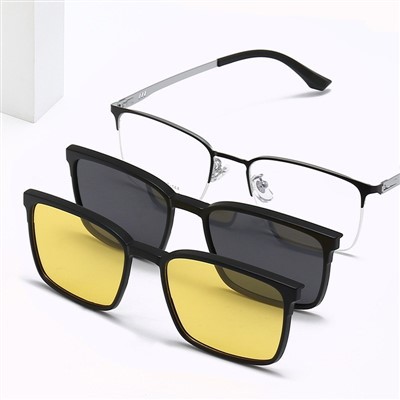
If you’re a retailer, event planner, or brand looking to order plastic sunglasses in bulk, I’d be happy to walk you through our lines, share sample pricing for different order sizes, and answer any questions you have about quality, materials, or customization. We work with clients of all sizes, from small local shops to large national brands, and we prioritize durable, UV-protective styles that your customers will love. Feel free to reach out to start a conversation about your order needs.
Metal Eyeglass Frames References:
- American Optometric Association. (2022). Eye Health and UV Protection: What You Need to Know.
- Eyewear Design and Manufacturing Association. (2021). Trends in Plastic Sunglasses Materials and Pricing.
- National Retail Federation. (2023). Wholesale Pricing Practices for Apparel and Accessories.
Danyang Boyue Optical Glasses Co., Ltd.
As one of the leading plastic sunglasses manufacturers and suppliers in China, we warmly welcome you to buy bulk cheap plastic sunglasses for sale here from our factory. All customized products are with high quality and competitive price. Contact us for pricelist and free sample.
Address: Boyue Optical Glasses, No. 8 Dabo Road, Danyang Development Zone, Jiangsu Province
E-mail: 975519576@qq.com
WebSite: https://www.cnboyue.com/
