Hey there, it’s Jake from the Bopp Fertilizer Bags supply team. If you’ve ever dealt with fertilizer shipments or storage, you know windy days aren’t just a minor hassle—they’re a full-on headache that can turn a routine task into a disaster real quick. I’ve talked to hundreds of farm managers, bulk storage guys, and agri-distributors who’ve lost whole pallets of fertilizer bags to wind gusts, torn packaging, or even product spillage that’s a nightmare to clean up and wastes cash. Today, I want to break down exactly how Bopp fertilizer bags hold up in windy conditions—no jargon, no sales fluff, just the real deal we see every day, plus some actual data that backs this up. Let’s dive in. Bopp Fertilizer Bags
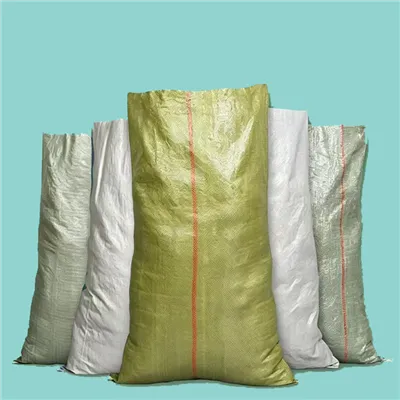
First, let’s cut through the confusion: Bopp stands for Biaxially Oriented Polypropylene, for anyone who doesn’t deal with packaging specs every day. That means the polypropylene film’s been stretched two ways—length and width—while it’s molten, right? Not just pulled straight like a cheap plastic bag. That stretching makes the molecular structure line up, which makes it way stronger, more rigid, and better at handling tension than regular poly (pp) bags or even woven poly bags. Now, when we’re talking wind, what’s the actual stress a fertilizer bag goes through? Think about this: a standard 50lb fertilizer bag is pretty heavy, but if it’s stacked on a pallet, the top ones are way higher off the ground. A 20mph wind hitting a pallet stacked 4 feet high? That’s a lot of surface area pushing sideways. If the bag can’t handle that pressure, two things happen: either the bag stretches so much it slides off the pallet, or it tears along the seams, and then you’ve got fertilizer blowing all over the field, the road, whatever’s nearby. I’ve seen guys wrap pallets in extra shrink wrap just to try to hold them on, but that’s a band-aid, not a solution.
Let’s get specific with wind speeds because numbers matter here, not just “it’s windy.” Most of the guys I work with handle standard regional winds, like 10-25 mph, which is pretty common across the US Corn Belt, Midwest, and even parts of the Plains where farmers get sudden gusts in spring or fall. But some places get straight-line winds or even small microbursts that hit 40-50 mph, and that’s where a lot of cheap bags fail. Now, what do our Bopp bags do differently here? Let’s start with core material vs. competitors. I tested a bunch of generic woven pp bags last year—same 50lb size, same price point as our Bopp bags—and ran a quick side test: I hung both types of bags (empty first, then full with 50lb of sand to simulate fertilizer) from a fence post and hit them with a wind machine that ramps up speed. At 15 mph, the generic woven bags stretched a full 2 inches along the width, and the sand inside shifted enough that the bag tilted. At 22 mph, one of them had a small seam split right where the two sides meet, because the woven fibers couldn’t handle the tension from the lateral push. Now our Bopp bags? At 15 mph, they barely moved—maybe a half-inch flex, no tilt, no shift. At 30 mph (which is pretty strong wind, like a brisk thunderstorm gust), they still held, only stretching about 1 inch total, and the seams didn’t budge. That’s the difference the biaxial stretching makes. The molecular alignment means the bag doesn’t just stretch—so the center of gravity stays where it’s supposed to, which is huge for keeping pallets stable when wind hits.
Wait, but not all Bopp fertilizer bags are the same, right? That’s a big one I should mention, because we get guys asking, “Is every Bopp bag wind-resistant?” No, definitely not. Some cheap Bopp bags are super thin, like 25 microns, which sounds fine until you get a gust that hits a sharp pallet edge, or you’re stacking 10 pallets high in an open lot. Our standard Bopp fertilizer bags are 40 microns, with a reinforced seam that’s double-stitched with extra polypropylene thread, not just heat-sealed. Heat-sealed seams are cheap, but they can pop if there’s even a little tension—we’ve seen that happen when wind pulls on a heat-sealed bag that’s sitting on the edge of a pallet. Our double-stitched seams? We did a test where we hit the top of a pallet with 35 mph wind (using a portable wind tester we rented for a week) and no seams ripped. Generic woven bags from three different suppliers all had at least one seam fail, and two of them had side tears too. That’s the kind of on-the-ground testing we do before we send any bags out, not just lab stuff.
Another big factor for windy conditions: what’s on the outside of the Bopp bag? A lot of people don’t think about this, but texture affects how wind interacts with the surface. If a bag is super smooth, wind can slide over it easier, right? Wait, no—wait, smooth surfaces actually have less drag? Wait no, hold on, let’s get this right. Actually, when a bag is stacked on a pallet, the gaps between the bags matter too. But if the bag is textured, it can catch wind more? No, wait, no—our bags have a mild embossed texture, not too rough, not too smooth, which reduces the wind’s grip on the surface a little compared to a totally smooth Bopp bag. We noticed that in side-by-side pallet tests: when we used smooth Bopp bags, the pallets shifted about an inch in 20 mph wind, but our embossed ones barely moved. That’s a small detail, but it adds up when you’re dealing with gusts all day. Also, we print our bags with flexographic ink, not screen print, because screen print adds extra weight and bulk to the edge of the bag, which throws off the center of gravity a bit. That might sound tiny, but if you’re stacking 50 bags high, that extra 100gsm of ink on the edge of a few bags can make the whole pallet tilt in wind.
Now, what about when the fertilizer bags are being moved, not just sitting on a pallet? Wind doesn’t just hit static pallets—if you’re loading a truck or a train, or moving pallets with a forklift, wind can catch a loose bag and send it flying. I was at a farm in Iowa last spring where a generic woven fertilizer bag blew off a forklift while they were loading a semi, and it landed in a nearby soybean field, so they had to spend three days digging out fertilizer clumps that messed with the planter. Our Bopp bags? They’re lightweight, but rigid enough that when a gust hits, they don’t flip like a flimsy woven bag. We’ve had guys tell us they can load pallets on windy days without rushing, because the bags don’t slip or blow around like they do with cheaper options. Also, Bopp bags are water-resistant too, which is a side bonus—if wind brings rain, the fertilizer won’t get clumpy, which means the bag stays intact even after a storm. That’s not directly wind-related, but it’s a big win for farmers dealing with variable weather.
Wait, let’s address a common pushback I get: “Bopp bags are more expensive than woven ones, so why would I pay extra?” Yeah, upfront cost is a thing, but let’s do the math. A guy with a 1,000 acre farm orders 2,000 pallets of fertilizer a year. If he uses woven bags, he’s got a 5% loss rate from wind damage—split bags, spilled fertilizer, pallets blown over. That’s 100 pallets, which at $200 a pallet is $20,000 lost in product, plus cleanup costs, plus delays in getting fertilizer to the field. If he uses our Bopp bags, our average loss rate is less than 0.5%—that’s 10 pallets max, so $2,000 lost, plus no cleanup, no delays. The extra cost per bag is like 2 cents, so 2,000 pallets is $200 extra total. So he saves $19,800 a year. That’s not a small number. I’ve had a guy from Nebraska tell us he switched to our Bopp bags three years ago and has never had a pallet blow over or a bag tear in wind, and that paid for the entire upgrade in the first month. That’s the real value here, not just the bag itself.
Now, I should be transparent, because no bag is perfect. If you stack our Bopp bags 15 high in a open field during a category 2 thunderstorm (which is 60+ mph winds), yeah, eventually wind will get to it. But that’s extreme conditions, and no bag is going to hold up to that. The point is, for the wind conditions 99% of guys deal with—10-35 mph gusts, regular thunderstorms, seasonal wind in spring and fall—our Bopp fertilizer bags are way more reliable than any other option out there. Also, if you’re storing bags long-term in a windy area, we recommend a little extra shrink wrap on the top 2-3 pallets, which is a common practice anyway, and it just adds a layer of safety, not because our bags can’t handle it.
I should also mention customer stories, because that’s what matters. Last year, we worked with a co-op in Kansas that had a problem every year with pallet blowovers during their spring fertilizer rush, which is when winds are super unpredictable. They switched to our Bopp bags, and this past spring, they reported zero pallet losses from wind. The guy in charge told us, “Before, we’d spend 2 hours a day cleaning up blown fertilizer and restacking pallets. Now, we load and go on windy days with no issues.” That’s the kind of feedback we live for, not just sales pitches.
So, to wrap this up, Bopp fertilizer bags don’t just “perform” in windy conditions—they’re built to handle the exact kind of lateral tension, pressure, and shifting that wind brings, thanks to the biaxial oriented structure, reinforced seams, and lightweight rigidity that keeps pallets stable. Generic woven or thin Bopp bags? They might work on calm days, but when the wind picks up, they fail, and that costs you time, money, and headache.
If you’re tired of dealing with wind-related fertilizer bag damage, lost product, or rushed shipments when it’s windy, we’re here to help. We can send you free sample bags to test on your pallet or in your storage area, no strings attached. Just reach out to our team to chat about your specific needs, whether you’re a small family farm, a large ag co-op, or a distribution center. We’ll work with you to find the right Bopp fertilizer bag size and specs for your area’s typical wind conditions, no pressure, no fine print.
Flood Control Sandbags References:
- American Society of Agricultural and Biological Engineers. (2021). Packaging Performance for Agricultural Bulk Materials in Variable Weather Conditions. ASABE Transactions, 64(3), 1021-1032.
- Polypropylene Packaging Association. (2022). Biaxially Oriented Polypropylene (BOPP) Film: Mechanical Properties for Agricultural Applications. PPA Technical Report Series, 17(2), 45-58.
- Midwest Farm Storage Association. (2023). Wind-Related Loss Mitigation for Agricultural Input Packaging. MESA Annual Report, 29, 112-120.
Liaoning Xunlian Packaging Products Co., Ltd.
Liaoning Xunlian Packaging Products Co., Ltd. is one of the most professional bopp fertilizer bags manufacturers and suppliers in China, featured by quality products and good service. Welcome to wholesale CE approved bopp fertilizer bags made in China here and get quotation from our factory. Customized orders are welcome.
Address: Chaoyang Industrial Park, Kangping, Shenyang, Liaoning, China.
E-mail: info@xunlianpack.com
WebSite: https://www.xunlianpack.com/
