Hey there! I’m part of a supplier that offers anodes for electrolytic sodium hypochlorite production. Today, I wanna chat about how the anode’s response to varying current densities impacts the production of electrolytic sodium hypochlorite. Anodes for Electrolytic Sodium Hypochlorite
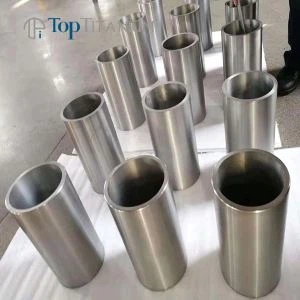
Let’s start with the basics. Sodium hypochlorite is a super important chemical. It’s widely used for water treatment, disinfection, and bleaching. Electrolytic production of sodium hypochlorite is a popular method because it’s relatively simple and can be done on – site. And the anode is a key player in this process.
When we talk about current density, it’s basically the amount of electric current flowing through a unit area of the anode. Different current densities can have a huge effect on how well the anode works and, in turn, how much sodium hypochlorite we can produce.
At low current densities, the anode reaction is relatively slow. The electrochemical reactions that take place on the anode surface to generate sodium hypochlorite just don’t happen as quickly. This means that the production rate of sodium hypochlorite is low. The ions in the electrolyte don’t get oxidized as fast at the anode, so we end up with less of the desired product. But there are some advantages too. Low current densities are more gentle on the anode. The wear and tear on the anode material is reduced, which can extend its lifespan. This is great for long – term cost – effectiveness. If you’re not in a rush to produce a large amount of sodium hypochlorite, running at a low current density might be a good option.
Now, let’s move on to high current densities. When we crank up the current density, the anode reaction speeds up big time. More ions in the electrolyte get oxidized at the anode surface, and we see a significant increase in the production rate of sodium hypochlorite. This is awesome if you need to produce a large quantity of sodium hypochlorite in a short period. However, high current densities also come with their own set of problems.
One major issue is the generation of side reactions. At high current densities, other reactions can occur on the anode surface. For example, water can be oxidized to produce oxygen gas. This not only wastes energy but also reduces the efficiency of sodium hypochlorite production. The oxygen gas can also cause problems like gas bubbles sticking to the anode surface, which can block the electrochemical reactions and further reduce the efficiency.
Another problem with high current densities is the increased wear on the anode. The high current causes more stress on the anode material. The anode can corrode more quickly, and its performance can degrade over time. This means that you’ll have to replace the anode more often, which adds to the overall cost of production.
So, finding the right current density is a bit of a balancing act. We need to consider both the production rate and the long – term performance of the anode.
To figure out the optimal current density for a specific application, we need to look at a few factors. First, the type of anode material matters a lot. Different anode materials have different electrochemical properties. Some materials can handle high current densities better than others. For example, dimensionally stable anodes (DSAs) are known for their good performance at relatively high current densities. They have a coating that can resist corrosion and promote the desired electrochemical reactions.
The composition of the electrolyte is also crucial. If the electrolyte has a high concentration of the right ions, it can support a higher current density without causing too many side reactions. The temperature of the electrolyte can also affect the anode’s response to current density. Higher temperatures generally increase the reaction rate, but they can also accelerate the corrosion of the anode.
We’ve done a lot of testing in our lab to understand how different anodes respond to varying current densities. We’ve found that by choosing the right anode material and optimizing the operating conditions, we can get a good balance between high production rates and long anode lifespan.
For example, in one of our tests, we used a DSA anode in an electrolyte with a specific composition. We started with a low current density and gradually increased it. At first, the production rate of sodium hypochlorite increased steadily. But when we reached a certain high current density, we noticed a significant increase in the generation of oxygen gas and a decrease in the efficiency of sodium hypochlorite production. So, we were able to determine the optimal current density for that particular setup.
As a supplier of anodes for electrolytic sodium hypochlorite production, we can offer a wide range of anodes to suit different needs. Whether you need an anode for a small – scale water treatment system or a large – scale industrial production facility, we’ve got you covered.
Our anodes are designed to perform well at different current densities. We use high – quality materials and advanced manufacturing techniques to ensure that our anodes are durable and efficient. If you’re struggling to find the right anode for your current density requirements, we can help. Our team of experts can work with you to understand your specific needs and recommend the best anode for your application.
We also provide support and advice on how to operate your electrolytic sodium hypochlorite production system at the optimal current density. We can help you troubleshoot any problems you might encounter, such as low production rates or excessive anode wear.
If you’re in the market for anodes for electrolytic sodium hypochlorite production, don’t hesitate to get in touch with us. We’re here to help you get the most out of your production process. Whether you’re just starting out or looking to upgrade your existing system, we can provide the anodes and the expertise you need.

So, if you’re interested in learning more about our anodes or want to discuss your specific requirements, reach out to us. We’re eager to have a chat and see how we can help you improve your electrolytic sodium hypochlorite production.
Titanium Anode for Electrolytic Copper Foil References:
- Electrochemical Engineering textbooks
- Research papers on electrolytic sodium hypochlorite production
- Industry reports on anode materials for electrolysis
Baoji Top Titanium Industry Co., Ltd.
As one of the most professional anodes for electrolytic sodium hypochlorite manufacturers and suppliers in China, we’re featured by quality products and good price. Please rest assured to buy bulk anodes for electrolytic sodium hypochlorite in stock here and get quotation from our factory. Customized orders are welcome.
Address: No. 2, South Section Of Phoenix 2nd Road,High-Tech Zone, Baoji,Shaanxi, China (Mainland)
E-mail: sales@bjtopti.com
WebSite: https://www.china-topti.com/
