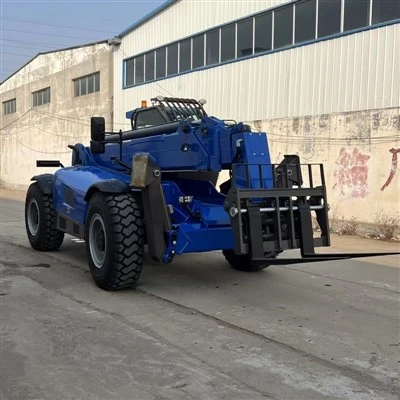
As a seasoned supplier of wheel loaders, I understand the significance of proper storage for these heavy – duty machines. Wheel loaders are substantial investments, and how you store them can significantly impact their lifespan, performance, and overall value. In this blog, I’ll share some in – depth insights on how to properly store a wheel loader. Wheel Loader
Pre – storage Inspection and Maintenance
Before you even think about storing your wheel loader, a thorough inspection and maintenance routine is essential. This is not just a cursory check; it’s a comprehensive assessment that can save you from a host of problems down the line.
- Exterior Inspection: Start by examining the body of the wheel loader. Look for any signs of dents, scratches, or rust. These seemingly minor issues can lead to more significant damage if left unattended during storage. Check the paint job; if there are any areas where the paint is chipped, it’s a good idea to touch it up. This not only improves the machine’s appearance but also protects the metal from corrosion.
- Fluid Checks: All fluids in the wheel loader need to be inspected. Check the engine oil level; if it’s low, top it up. Consider changing the oil if it’s close to the recommended change interval. The coolant level should also be verified, and any leaks in the coolant system should be fixed. Transmission fluid, hydraulic fluid, and brake fluid are equally important. Ensure that they are at the proper levels and are in good condition. Contaminated fluids can cause premature wear and tear on vital components.
- Filter Replacement: Filters play a crucial role in keeping the wheel loader running smoothly. Air filters should be checked and replaced if they are dirty. Fuel filters and oil filters should also be considered for replacement, especially if your machine has been working in dusty or dirty environments. A clogged filter can reduce engine efficiency and lead to performance issues.
- Tire Inspection: Examine the tires for any signs of wear, cuts, or punctures. Check the tire pressure and adjust it to the recommended level. If the tires are worn beyond the safe limit, it might be a good time to replace them before storage. This will prevent flat spots from forming during long – term storage.
Cleaning the Wheel Loader
A clean wheel loader is less likely to develop problems during storage. Cleaning should be a meticulous process that covers every nook and cranny of the machine.
- Exterior Cleaning: Use a high – pressure washer to remove dirt, mud, and debris from the exterior of the wheel loader. Pay special attention to areas where dirt can accumulate, such as the undercarriage and the buckets. Use a mild detergent to clean the body, and then rinse it thoroughly. Make sure to dry the machine completely to prevent rust formation.
- Interior Cleaning: Don’t forget about the cab of the wheel loader. Vacuum the floor and wipe down the seats, dashboard, and control panels. Remove any food or beverage residues that could attract pests. A clean cab will also prevent unpleasant odors from developing during storage.
- Bucket and Attachments: The bucket and any attachments should be cleaned separately. Remove any stuck materials from the bucket, such as dirt, rocks, or cement. If there are any stubborn stains, you can use a suitable cleaner. After cleaning, lubricate any moving parts on the bucket and attachments to prevent rust and ensure smooth operation when the machine is back in use.
Storage Location
Choosing the right storage location is critical for the long – term preservation of your wheel loader.
- Indoor Storage: If possible, store your wheel loader indoors. A dry, climate – controlled warehouse is ideal. This protects the machine from the elements, such as rain, snow, and UV rays. Indoor storage also reduces the risk of theft and vandalism. Make sure the storage area is well – ventilated to prevent the buildup of fumes and moisture.
- Outdoor Storage: In some cases, indoor storage may not be available. If you need to store the wheel loader outdoors, choose a location that is elevated and well – drained. Avoid areas prone to flooding. Cover the machine with a high – quality, waterproof tarp. Make sure the tarp is secure and does not flap in the wind, as this can cause abrasion on the machine’s surface. You can also use a UV – resistant cover to protect the paint and plastic components from sun damage.
Protecting Components
Once the wheel loader is in storage, you need to take steps to protect its various components.
- Battery Maintenance: The battery is a sensitive component. If the wheel loader is going to be in storage for an extended period, it’s best to remove the battery. Store the battery in a cool, dry place and keep it charged. You can use a battery charger or maintainer to ensure that the battery retains its charge. This will prevent the battery from discharging completely, which can lead to permanent damage.
- Engine Protection: To protect the engine, you can use a fuel stabilizer. Add the stabilizer to the fuel tank and run the engine for a few minutes to ensure that the treated fuel circulates throughout the system. This will prevent the fuel from deteriorating and clogging the fuel lines. You can also cover the air intake to prevent dust and debris from entering the engine.
- Hydraulic System: The hydraulic system is a vital part of the wheel loader. To prevent hydraulic fluid from solidifying or becoming contaminated, make sure the system is full of clean fluid. You can also run the hydraulic system for a short period before storage to ensure that all the components are lubricated. Consider using a hydraulic system cover to protect it from dust and dirt.
Periodic Checks during Storage
Even though the wheel loader is in storage, it’s important to perform periodic checks.
- Monthly Checks: Every month, visit the stored wheel loader. Check the tire pressure and adjust it if necessary. Start the engine and let it run for a few minutes to maintain its lubrication and prevent seals from drying out. Inspect the exterior for any signs of damage or new rust spots.
- Quarterly Checks: On a quarterly basis, perform a more detailed inspection. Check all the fluid levels again and top them up if needed. Look for any signs of rodent or pest activity, as they can chew on wires and hoses. Lubricate any moving parts that may have dried out.
Re – activating the Wheel Loader
When it’s time to bring the wheel loader back into service, you need to follow a proper re – activation process.
- Battery Installation: If the battery was removed during storage, carefully install it back into the machine. Make sure the connections are clean and tight.
- Fluid Checks: Check all the fluids again. The oil may have settled during storage, so it’s a good idea to change it if it’s been a long time. Inspect the coolant, transmission fluid, and hydraulic fluid for any signs of contamination.
- System Testing: Test all the systems on the wheel loader, including the engine, brakes, hydraulic system, and steering. Take the machine for a short test drive to ensure that everything is working properly.
In conclusion, proper storage of a wheel loader is a comprehensive process that involves pre – storage inspection and maintenance, thorough cleaning, choosing the right storage location, protecting components, performing periodic checks, and following a proper re – activation process. By following these steps, you can ensure that your wheel loader remains in top condition during storage and is ready to perform at its best when you need it.
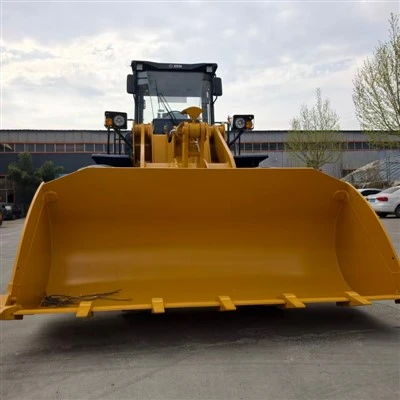
If you’re in the market for a new wheel loader or have any questions about wheel loader storage or maintenance, I’d love to have a conversation with you. Reach out to me to start a procurement discussion and find the perfect wheel loader solution for your needs.
Backhon Loader References
- "Manual on the Maintenance and Storage of Heavy Construction Equipment", published by the Construction Industry Council.
- "Essential Guide to Heavy Equipment Storage", written by industry experts at Machinery World.
- Technical manuals provided by leading wheel loader manufacturers.
Shandong Feisite Machinery Co., Ltd.
As one of the most professional wheel loader manufacturers and suppliers in China, we’re featured by quality products and good service. Please rest assured to buy cheap wheel loader made in China here and get quotation from our factory. Customized orders are welcome.
Address: 100 meters south of Zengfusi Village, Mihe Town, Qingzhou City, Shandong Province
E-mail: Wpeng19911103@qq.com
WebSite: https://www.shandongfeisite.com/
