Hey there! I’m a supplier in the rail transit castings business. Today, I wanna chat about what the Rockwell hardness requirements are for rail transit castings. Rail Transit Castings
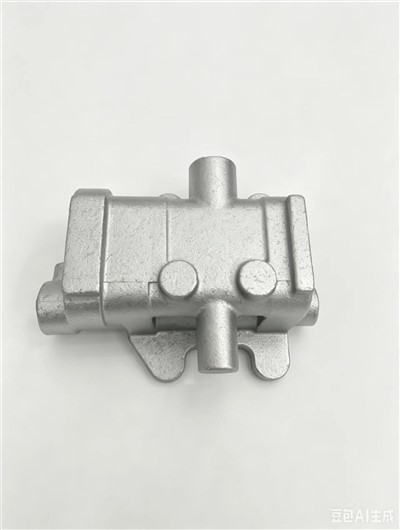
First off, let’s get into what Rockwell hardness is. It’s a measure of how hard a material is. We use this scale to figure out how well a casting can withstand wear, indentation, and deformation. In the world of rail transit castings, getting the right Rockwell hardness is super important.
When it comes to rail transit, safety is the number – one concern. Castings are used in a bunch of different parts of trains and rail systems. For example, they’re used in wheels, axles, and brake components. These parts have to be tough enough to handle all the stress and strain that comes with daily operation.
Let’s start with the wheels. Wheels in rail transit are constantly in contact with the tracks. They need to have a high Rockwell hardness to resist wear. If the wheels are too soft, they’ll wear out quickly, which can lead to all sorts of problems like uneven wear, increased noise, and even safety issues. A typical Rockwell hardness range for rail transit wheels is around 30 – 35 HRC (Rockwell C scale). This hardness level gives the wheels the strength to handle the heavy loads and the friction from the tracks.
Axles are another critical part. Axles have to support the entire weight of the train and its passengers. They need to be strong and have the right hardness to prevent deformation. The Rockwell hardness for axles usually falls in the range of 28 – 32 HRC. This range ensures that the axles can handle the bending and torsional stresses that occur during operation.
Brake components are also crucial. Brakes need to be able to stop the train quickly and safely. The castings used in brakes, like brake discs and calipers, need to have a specific Rockwell hardness. For brake discs, a hardness of around 25 – 30 HRC is often required. This hardness helps the discs resist the high temperatures and friction generated during braking.
Now, how do we achieve these Rockwell hardness requirements? Well, it all starts with the material selection. We use high – quality steel alloys that have the right chemical composition to reach the desired hardness. The heat treatment process is also key. We heat the castings to a specific temperature and then cool them at a controlled rate. This process can change the internal structure of the material and increase its hardness.
We also have to do a lot of testing. Before any casting leaves our facility, we test its Rockwell hardness. We use specialized testing equipment to make sure that the hardness meets the requirements. If a casting doesn’t meet the hardness standards, we either re – heat – treat it or scrap it. There’s no room for error when it comes to the safety and performance of rail transit castings.
Another factor that affects the Rockwell hardness requirements is the type of rail transit system. For high – speed trains, the castings need to be even harder. High – speed operation means more stress and wear on the components. So, the wheels, axles, and brake parts for high – speed trains usually have a slightly higher Rockwell hardness compared to those for regular trains.
In addition to the mechanical properties, the Rockwell hardness also impacts the machinability of the castings. If the hardness is too high, it can be difficult to machine the parts to the required specifications. On the other hand, if the hardness is too low, the parts may not hold their shape during machining. So, we have to find the right balance.
Let me tell you about our experience as a supplier. We’ve been in the rail transit castings business for a long time. We’ve learned that every project is different, and the Rockwell hardness requirements can vary. Sometimes, our customers come to us with very specific requirements based on their design and operating conditions. Other times, we work together with them to determine the best hardness levels for their castings.
We also stay up – to – date with the latest industry standards and regulations. The requirements for Rockwell hardness in rail transit castings are constantly evolving as new technologies and materials are developed. We invest in research and development to ensure that we can meet these changing requirements.
If you’re in the market for high – quality rail transit castings, you know how important it is to have parts that meet the right Rockwell hardness standards. We’re here to help. Our team of experts can work with you to understand your specific needs and provide the best casting solutions. Whether you’re building a new rail line or upgrading an existing system, we’ve got the experience and the knowledge to deliver top – notch products.

So, if you’re interested in learning more about our rail transit castings or discussing your project requirements, feel free to reach out. We’re always happy to have a chat and see how we can help you get the best castings for your rail transit needs.
Rail Transit Castings References:
- "Materials Science and Engineering: An Introduction" by William D. Callister Jr. and David G. Rethwisch
- Industry standards and guidelines for rail transit castings published by relevant international and national organizations.
Qingzhou Shengchen Machinery Technology Co., Ltd.
As one of the leading rail transit castings manufacturers and suppliers in China, we warmly welcome you to buy discount rail transit castings for sale here and get free sample from our factory. If you have any enquiry about customized service, please feel free to email us.
Address: Industrial Park, Mihe Town, Qingzhou City, Weifang, Shandong Province
E-mail: gjywb@qzsckj.cn
WebSite: https://www.sc-casting.com/
