If you’ve ever stood in a dye house, staring at a shelf lined with dozens of plastic jugs labeled with unpronounceable chemical names, wondering which one will keep that batch of organic cotton jersey from shrinking after the fifth wash or make that wool blend feel soft instead of scratchy once dyed, you’re not alone. For 12 years, I’ve been a dyeing auxiliaries supplier, spending most of my days on the phone with dye house managers, in small-batch labs testing new formulations, and troubleshooting a mess of dyed fabric that didn’t turn out the way anyone wanted. I’ve seen brand new auxiliaries get recommended without a second thought only to ruin an entire run, and I’ve watched small mills save thousands by taking the time to match each auxiliary to their specific fabric and dyeing process. Choosing the right dyeing auxiliaries isn’t about grabbing the cheapest bottle or the one the sales rep texts about—it’s about asking three specific questions that cut through the noise of every product on the market. Dyeing Auxiliaries
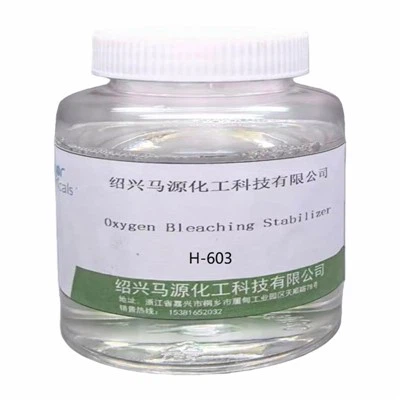
The first and most critical question to answer is: what’s the exact fabric you’re working with? I can’t tell you how many times I’ve had a customer call and say “I need auxiliaries for cotton” only to find out they’re processing 100% heavyweight canvas for tote bags that will be bleached, dyed black, and machine-washed daily, not 100% pima cotton jersey for a luxury t-shirt that’s only dry-cleaned or hand-washed. Every fabric has unique fiber properties that dictate how dyes bond and how auxiliaries need to behave to support that process. Let’s break it down by common fiber types, because this is where 90% of bad auxiliary choices go wrong.
For natural cellulose fibers like cotton, linen, and rayon, the biggest hurdles are usually absorbency consistency, dye uptake, and preventing damage during high-temperature dyeing. Raw cotton, for example, has a natural waxy coating called cutin that keeps water and dye from penetrating evenly. If you skip using a wetting agent specifically formulated for cellulose, you’ll end up with spotty dye coverage where the wax blocked the dye. But not all wetting agents are the same. For high-wash tote bag canvas, a non-ionic wetting agent that’s tolerant to hard water and high temperatures (130–180°F, standard for reactive dyeing on cotton) is a safe bet—it helps the dye spread evenly without adding unnecessary chemicals that would make the fabric feel stiff. For rayon, which is more porous and prone to shrinkage than cotton, you need a different type of auxiliary: a leveling agent tailored to regenerated cellulose, one that slows down dye uptake just enough to prevent streaks, which are way more noticeable on smooth, drapey rayon than on rugged canvas. I once worked with a mill in South Carolina that switched to a specialized leveling agent for rayon and cut their reject rate from 18% to 3% in one run—they’d been using a generic nylon leveling agent for six months before that, and the results were night and day.
Wool and other protein fibers (silk, cashmere, alpaca) are even trickier because they’re sensitive to pH and high heat. Wool fibers have scales on their surface that open up when the pH is low, which lets acid dyes bond, but if you let those scales stay open too long at high temperatures, you’ll get shrinkage, feltting, and a rough hand feel. That’s why for protein fibers, the right auxiliaries aren’t just about helping dye adhere—they’re about protecting the fiber itself. A lot of mill managers will use a general pH adjuster and call it a day, but I always recommend a special wool protector for any run that will be dyed above 140°F. This auxiliary forms a thin, invisible layer over the wool scales that keeps them from opening too far, so you get a deep, even dye without ruining the softness. I also recently worked with a small mill that dyes fine cashmere scarves; they switched to a silk/wool-specific leveling agent that’s mild enough for delicate fibers and cut their fabric rejections due to felting by 22% last quarter.
Synthetic fibers like polyester, nylon, and spandex have their own set of rules. Polyester, for example, is hydrophobic—water doesn’t stick to it, so regular water-based dyes won’t penetrate unless you use a carrier auxiliary or a dye that works at high pressure and temperature. Carriers are especially important for polyester blends, like the popular 95% polyester/5% spandex leggings that everyone wears now. Spandex breaks down at temperatures above 275°F, so you can’t run polyester dye at full heat, but you still need the dye to get into the polyester fibers. A specialized low-temperature carrier for polyester blends lets you dye at 240°F, which is safe for spandex, and ensures uniform dye uptake without making the fabric feel sticky. Nylon is another synthetic that’s often paired with protein fibers, like nylon/cotton blends for activewear; it has both amine groups that bond with acid dyes and hydrophobic regions that need leveling agents tailored to synthetics to prevent streaking. I’ve seen brands skip this and end up with leggings that look faded in patches after the first wash—nothing kills a product launch like that.
Once you know your fiber type, the second question to answer is: what dyeing process and equipment are you using? A batch dyeing run in a large jet dyeing machine is way different from a small piece dyeing run on a bench top, or a continuous dye line for fabric that’s moving non-stop through a machine. Even two jet dye machines can be different—some circulate fabric quickly, some more slowly, which affects how auxiliaries need to perform. For example, in a continuous dye line, you need auxiliaries that are stable over long periods of time and won’t break down as the fabric is passed through multiple chambers. A thickener for reactive dyeing that works great in a batch jet might cause problems in a continuous line because it’s too viscous and builds up on the machine rollers, leading to uneven dye. On the other hand, in a winch dye machine, which uses a roller to pull fabric through dye, you need auxiliaries that reduce foam—if there’s too much foam, the fabric can float on top of the dye bath and come out pale or streaked. Foam suppressers formulated for textile dyeing, not generic ones, are a must here; generic ones might leave residue that makes the fabric feel sticky, while textile-specific ones work with the dye bath without interfering with dye uptake.
Temperature is another big part of process compatibility. If you’re doing high-temperature dyeing (above 250°F for synthetics), you can’t use non-ionic auxiliaries that will break down at those temperatures—they’ll stop working, leave residue, and even cause fabric damage. For high-heat runs, you need anionic or amphoteric auxiliaries that are stable at those temps. For low-temperature batch runs (below 180°F for cotton), you have more flexibility, but you still need to make sure your wetting agent works at the lower temp—some wetting agents only activate at higher temps, so using them at 140°F will lead to slow penetration and uneven dye.
The third, often overlooked, question is: what’s the end use of the fabric? A tote bag that will be used for grocery shopping and washed every week needs way different auxiliaries than a silk scarf that will be dry-cleaned once a month. For products that need to meet strict industry standards—like OEKO-TEX 100, or bluesign for sustainable textiles—you can’t use auxiliaries that have restricted chemicals. A lot of my customers come to me looking for auxiliaries that are free of APEOs (alkylphenol ethoxylates), heavy metals, and other harmful substances, especially since major brands now require all their suppliers to meet these standards. For outdoor fabrics, like polyester jackets that need to be water-repellent and fade-resistant, you need auxiliaries that not only help dye bond but also improve UV resistance—some auxiliaries add a layer of protection that extends the life of the dyed fabric, which is a big selling point for outdoor brands. For baby clothes, you need auxiliaries that are pH-neutral (between 5.5 and 7, the same as skin) so the fabric doesn’t irritate sensitive skin; a lot of cheap dyeing auxiliaries leave the fabric too acidic or too alkaline, leading to rashes or discomfort.
I also can’t stress enough the importance of testing before you run a full batch. I’ve had customers call me panicked because a new auxiliary they tried caused a whole run to be ruined, and when I ask if they tested it on a small 1-yard sample first, the answer is usually no—they just added it to the full dye bath. Even if the product is labeled for your fabric and process, every mill has slight variations in water hardness, machine temperature, and fabric pre-treatment (like how well it’s been desized or scoured) that can change how an auxiliary performs. Hard water, for example, has calcium and magnesium ions that can bind to some auxiliaries, making them less effective. If your mill has hard water, you need a chelating agent to soften the water before adding auxiliaries, otherwise your leveling agent won’t work as well and you’ll get streaks. I always tell customers to do a 2-step test first: test the auxiliary with a 1-yard fabric sample, dye it, wash it, and check for dye uniformity, hand feel, and any issues like shrinkage or residue. If it passes, then test it on a small 10-yard batch, and only then run a full production batch. This might add a day or two to your process, but it saves you from losing thousands of dollars in ruined fabric.
Over the years, I’ve built my business on this approach—sitting down with customers, walking through their fabric, process, and end use, and matching auxiliaries that work for their specific needs, not just the ones with the highest profit margin. I’ve seen too many suppliers push one-size-fits-all auxiliaries that work for 50% of applications but fail for the other half, and that’s not how you build long-term trust. I remember a customer who was a small mill making organic cotton bed sheets; they’d been using a generic reactive dye auxiliary that left their sheets feeling stiff and had a 12% reject rate for uneven dye. We tested a cellulose-specific softener and leveling agent formulated for organic cotton, adjusted their pH levels, and within three months, their reject rate dropped to 4%, and their sheets got a 5-star review from a major bedding brand for softness and dye fastness. That’s the kind of result that matters—not just selling a jug of chemical, but solving a problem for the mill.
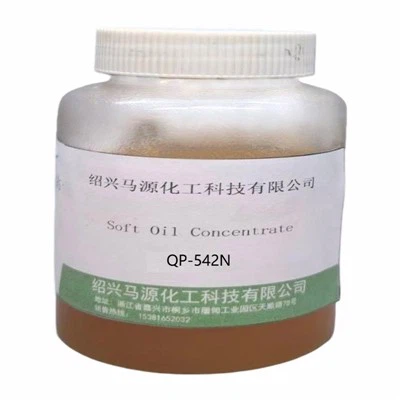
If you’re struggling to choose the right dyeing auxiliaries for your fabric, I’d be happy to walk through your specific needs with you. Whether you’re working with a tricky wool blend, a polyester/spandex activewear fabric, or organic linen that’s never been dyed before, we can discuss your process, your end product requirements, and what will work best for your mill. Don’t let guesswork ruin your next batch—reach out, and let’s find the right auxiliaries together.
Functional Additives References
- Holden, T. (2018). Textile Dyeing Auxiliaries: Chemistry and Applications. Society of Dyers and Colourists.
- Christie, R. M. (2017). Fiber Characteristics and Dyeing Performance. Textile Institute.
- OEKO-TEX Association. (2022). Standard 100 for Textiles: Restricted Substance List.
- Smith, J. (2020). Dyeing Process Optimization for Synthetic-Blend Fabrics. Journal of Textile Science and Engineering.
Shaoxing Mayor Chemical & Technology Co., Ltd.
We are one of the most reliable dyeing auxiliaries manufacturers and suppliers in China, specialized in providing high quality products with low price. We warmly welcome you to buy discount dyeing auxiliaries for sale here from our factory. For pricelist, contact us now.
Address: No. 78, Tianshun Road, Tudian Industrial Park, Tongxiang City, Jiaxing City, Zhejiang Province, China
E-mail: 627249875@qq.com
WebSite: https://www.mayorchemicals.com/
