Hey there, it’s Mia from [Our Company Name] – the person you call when you need crepe paper jumbo rolls that don’t tear mid-project, don’t fade after a month, and actually hold up to whatever you’re using ’em for. Lately, I’ve been getting so many DMs and emails asking the same thing, over and over: “What exactly is that crepe paper jumbo roll you sell made of? I thought crepe paper was just… crinkly regular paper?” Full transparency, that’s a question I love getting – because there’s way more to it than meets the eye, and most people (even some small shop owners who’ve used it for years) don’t know the science behind why a good jumbo roll works, and why the cheap stuff falls apart. Crepe Paper Jumbo Roll
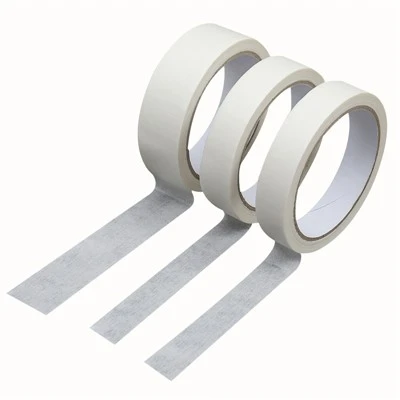
First off, let’s knock that basic misconception out quick. Regular paper is made from cellulose fibers, right? You know, the stuff from wood pulp, cotton rags, whatever. Crepe paper – especially the jumbo rolls I supply (we’re talking 50-inch wide, 1,000+ foot long rolls that our event planners, florists, and crafters obsess over) – starts with that same core base, but it’s not just wood pulp. Let’s break down the layers, because it’s not just one material, it’s a specific blend and process that makes it crepe paper, not just paper with crinkles.
The main ingredient, like 70% of the bulk, is virgin wood pulp – specifically, softwood and hardwood blend. Wait, why both? Softwood has longer cellulose fibers, which give the paper tensile strength – so if you’re stretching it to cover a 10-foot backdrop, you don’t want it snapping halfway. Hardwood has shorter fibers, which make the paper smoother, more flexible, and better at holding dyes (that’s why our crepe rolls have such vibrant, long-lasting colors, not the cheap neon that fades after one outdoor event). A lot of budget jumbo rolls cut corners here – they use 100% recycled pulp or old cardboard scraps, which have shorter, broken fibers that make the paper thin and prone to tearing. I’ve had so many clients tell me they tried a “cheap bulk roll” from a big box site, and it crumbled when they tried to twist it into flower petals. That’s exactly why our blend is non-negotiable.
Next, the 25% of the mix? Cotton linters. These are the tiny, fuzzy fibers that grow right on the seeds of cotton plants – not the whole cotton, just those little wispy bits left after cotton is processed for clothes. I know what you’re thinking: “Cotton in crepe paper?” Hear me out. Cotton linters add something wood pulp can’t: softness and stretch. When you crepe the paper later (that’s the crinkly part), those cotton fibers give it that give, so it can stretch up to 2x its original length without breaking. The cheap rolls skip this, using only wood pulp, so they barely stretch at all, and when you yank ’em, they split. For our floral design clients, this is gold – they can wrap long stems without the paper pulling, and for event backdrops, we can create seamless, tight covers without gaps from thin, tear-prone paper.
Now, the final 5% – that’s the secret stuff you won’t find on most “what’s crepe paper made of” articles: processing additives. These are non-toxic, eco-friendly chemicals we use (we’re big on sustainable materials, so none of that harsh gunk) that do three key things: 1) Make the paper water-resistant enough to hold up to a light outdoor drizzle (we don’t sell waterproof, but we’re not talking about a little water ruining it), 2) Improve dye absorption so the colors stay true – no more faint, washed-out pastel that looks like it’s been sitting in a closet for years, 3) Give the paper that signature “crinkle” shape permanently. Wait, right – the crepe isn’t just pressed on. I used to think the crinkles were just a physical fold, but no: when the paper is still damp from processing, we stretch it and then heat-set the crinkles. That’s where those additives come in – they help the fibers hold that shape instead of smoothing out over time. If you leave a cheap crepe roll in a hot warehouse for a month, the crinkles all go flat; ours stay crinkly, vibrant, and ready to use, no matter how long they’re stored.
Let me walk you through the actual process too, because that’s where the “jumbo roll” part matters. A lot of small crepe paper brands make tiny rolls, but we run our base paper through huge jumbo machines – like, massive, 100-foot long machines that process hundreds of feet of paper at a time. First, we mix the pulp, linters, and additives in a big vat, then spread it into a thin sheet on a moving wire screen to drain. Then it goes through rollers to press out excess water, get it to the right thickness – we use a 60 GSM (grams per square meter) for our standard rolls, which is perfect: not too thin that it tears, not too thick that it’s hard to twist or fold. Most cheap rolls are 40 GSM, which is like tissue paper – useless for anything that needs to hold shape.
Once the base sheet is dried, that’s when the crepe process happens. The sheet is fed through a machine that has a rotating drum with tiny knobs on it, and it’s stretched as it goes through, creating those characteristic crinkles – the stretch ratio for our jumbo rolls is about 120%, which is just enough to make it flexible without being flimsy. Then we heat it with a low-temperature dryer to set the crinkles permanently, so when you unroll it, it doesn’t go flat. At that point, we print the color (our dyes are water-based and non-toxic, so no harsh fumes), then slit it into the jumbo widths our clients need – 48 inch, 54 inch, 60 inch, whatever you want. We also offer unbleached and natural crepe rolls for crafters who want to dye their own, which skip the color step, obviously.
Wait, I need to address a common question here: is crepe paper the same as craft paper? No, and that’s a big mistake people make. Craft paper is usually thicker, stiffer, made for things like wrapping presents. Our crepe jumbo rolls are specifically formulated for flexibility, stretch, and color vibrancy – that’s why event planners use them for giant flower walls, florists for wrapping bouquets, crafters for paper mache and decor. If you tried to use a craft paper jumbo roll for a paper flower, it’d be too stiff to twist, and the color would flake off.
Another thing I get asked: “Are your crepe paper jumbo rolls eco-friendly?” Short answer: yes, but with a catch. We use 100% virgin sustainable wood pulp from FSC-certified forests (we source only from suppliers that replant every tree they cut down), cotton linters are a byproduct of the clothing industry, so we’re not using extra cotton just for paper, and all our additives are biodegradable. The only part that’s not 100% compostable is the core of the jumbo roll – it’s a plastic core for holding the paper, but we offer a core recycling program for our regular clients, so they can send the cores back and we recycle them for free. We’ve cut our plastic core usage by 30% in the last year, and we’re working on switching to fully compostable cores by next quarter.
I’ve been in this crepe paper game for 8 years, and I’ve seen so many suppliers cut corners to make a quick buck. A few years ago, a big wedding planner client switched to a cheaper jumbo roll from another company – their paper flower wall fell apart mid-event, because the blend was only 50% wood pulp and 10% cotton linters, the rest was recycled cardboard that broke down in the sun. That’s why I’m so transparent about what our rolls are made of: because I’d rather you buy a roll from me that works, lasts, and doesn’t ruin your project, than save a few bucks on junk that’ll leave you stuck re-doing everything last minute.
Let’s circle back to what I started with: the core materials. To recap, our standard crepe paper jumbo rolls are:
- 70% FSC-certified softwood/hardwood cellulose blend (strength and vibrancy)
- 25% cotton linters (flexibility and stretch)
- 5% non-toxic, biodegradable additives (shape retention and color stability)
- 100% heat-set crinkle structure (permanent flexibility)
That’s it. No weird fillers, no harsh chemicals, no junk that makes it tear. If you’re a small business owner, event planner, florist, or even a big retail brand that needs bulk crepe rolls, this is the stuff you want. We don’t sell tiny rolls – we only do jumbo, because we know most of our clients need bulk quantities for large projects, and making jumbo rolls means we can control the quality end-to-end, from the pulp mix to the final roll size.
At the end of the day, crepe paper might seem like a simple product, but the difference between a $50 jumbo roll and a $10 junk roll is all in the materials and the process. I’ve had clients come to me after using my rolls for their 10th event, saying they still have leftover rolls that are just as good as the day they bought them. That’s the standard I hold my products to, and that’s what I supply every single time.

If you’re looking for a crepe paper jumbo roll that doesn’t tear, doesn’t fade, and actually works for whatever project you’ve got going on, hit me up. Whether you need a sample to test, a custom size, or a bulk quote, I’m here to chat. No pushy sales pitches, no hidden fees, just honest answers about what our rolls are made of and how they’ll work for you. Let’s make something that lasts, together.
Nano Tape References:
- TAPPI Standard T218 om-16, Physical Testing of Crepe Paper
- Cotton Linters: Industrial Applications, USDA Agricultural Resource Report, 2022
- FSC Chain of Custody Certification Requirements, Forest Stewardship Council, 2023
- Sustainable Additives for Paper Products, Sustainable Packaging Coalition, 2021
Yiwu Yubang Adhesive Products Co., Ltd.
As one of the most professional crepe paper jumbo roll manufacturers and suppliers in China, we also support custom service. We warmly welcome you to wholesale high quality crepe paper jumbo roll made in China here from our factory. If you have any enquiry about cooperation, please feel free to email us.
Address: 4th Floor, No. 17 Gantang West Road, Yiting Town, Yiwu City, Jinhua City
E-mail: salesmanager@yubangtape.com
WebSite: https://www.yubang-tape.com/
