Hey there, fellow gearheads and track day warriors! Let’s cut to the chase—if you’ve ever swapped your car’s stock seats for something with better bolsters, lighter weight, or just that “I belong on the track” vibe, you’ve probably stared at your racing harnesses and thought, “Wait, do these even work with my new aftermarket seat?” I’m from a racing seat belts supply company, so I see this question every single day, and honestly? It’s one of the most important ones you can ask. Safety should never be an afterthought, and matching your harnesses to your new seat isn’t just a nice-to-have—it’s non-negotiable. I’m gonna break this down like we’re geeking out over our latest build, no boring engineering jargon, just real talk from someone who’s spent years making stuff that keeps people upright when things go sideways. Racing Seat Belts
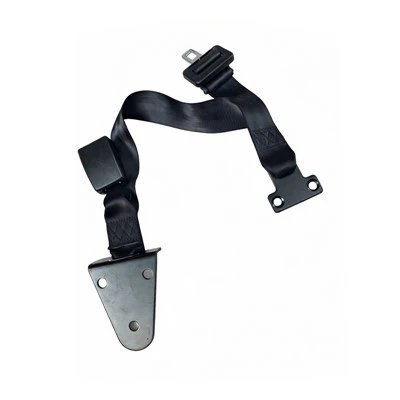
First, let’s get one thing straight: not all aftermarket seats are created equal. I’ve seen guys bolt a random bucket seat from a discount parts store, grab a set of 5-point harnesses off a shelf, and call it a day. Big mistake. Here’s the thing: racing seat belts—whether they’re 4-point, 5-point, or 6-point—work by distributing your crash energy across your torso, shoulders, and hips, right? That’s way better than the 2-point stock belts that just dig into your stomach and let your upper body fly forward. But that only happens if the seat is built to hold that force. If your aftermarket seat is thin, flimsy, or doesn’t have integrated mounting points, your harness isn’t gonna do its job. It’s like trying to use a tow strap made for a sedan to pull a truck—parts aren’t matched, and someone’s gonna get hurt.
I remember a customer coming to me last year, super frustrated, because he’d installed a cheap aluminum bucket seat for his autocross car and his harness kept slipping. He thought the belts were junk, but when I asked to see the seat’s mounting tabs, they were just flimsy plastic brackets molded onto the back of the seat. No way that was holding 2,000+ lbs of force in a hard stop or a crash. We sat down and talked through what a good aftermarket seat needs to work with racing harnesses, and he ended up getting a reinforced steel seat from a reputable brand with built-in harness loops. Once he swapped that, his harnesses held perfectly, and he told me later he could stop way harder without sliding around. That’s the difference right there.
Now, let’s talk mounting—this is make or break. Racing harnesses don’t bolt to your car’s original seat belt spots usually, especially if you’re in a performance car. Most aftermarket seats come with pre-drilled harness mounting holes, but you gotta make sure they’re in the right places. The shoulder straps should mount to the seat’s upper back, around shoulder height, right at the base of your collarbones. If you mount them too low, they’ll dig into your neck; too high, they’ll slip off your shoulders. The lap straps need to go around your hips, not your stomach—no ifs, ands, or buts. That’s how you keep your lower body anchored so your upper body doesn’t fly forward.
Here’s a pro tip from our team: if your aftermarket seat doesn’t have proper harness mounts, don’t drill into it yourself. Most cheap seats can’t handle the torque, and drilling in the wrong spot will crack the frame. We always suggest either getting a seat with integrated mounts or using a through-the-floor harness setup, but you’ve gotta make sure the floor is reinforced too. A lot of new guys skip the reinforcement, thinking the belts will hold, but if the floor gives way, all that harness tension is just going into the seat and your body. It’s a recipe for disaster.
Wait, what about different types of racing seats? I get this question all the time too. Let’s say you have a fixed-back bucket vs. a reclining racing seat. Fixed-back seats are standard for track cars, and they work great with racing harnesses because they don’t flex. If you have a reclining seat, though, you’ve got to make sure the recline mechanism is rated for harness use. Some cheap reclining seats are just for show—they can’t handle the extra force from a harness. We’ve had customers try reclining seats from off-brand manufacturers and end up with a wobbly seat that wouldn’t hold their harness tension. Don’t skimp here. Spend the extra $100 on a seat that’s SFI-rated or FIA-approved, because those ratings mean they’ve been tested to handle the force your racing seat belts will put on them.
Let’s talk about fit, too. Your racing seat and harness have to fit you, not just fit the car. I’ve seen guys buy seats that are way too big, so when they put the harness on, there’s too much slack. Slack is the enemy in a crash—if there’s slack, you’ll move forward before the harness tightens, and that’s when you hit the steering wheel or dash. Same goes for harnesses and seats: if your seat is too small, it’ll dig into your ribs when the harness is tightened. A 5-point harness should pull tight so you can barely fit a finger between the strap and your body, but it shouldn’t be so tight you’re gasping for air. When you match your seat to your harness, that fit becomes way easier to get right. We test all our belts with different seat styles, so if you come to us, we can point you toward a harness that’ll work with your seat, or vice versa.
Is there a case where racing seat belts won’t work with aftermarket seats? Yeah, and it’s when people cut corners. Like I said before, cheap, unrated seats. Or if you mix and match harnesses that aren’t compatible with the seat. For example, a 6-point harness has an extra strap between your legs, right? That’s called a sub-belt, and it needs to mount to the seat’s lower frame, not just the car. If your aftermarket seat doesn’t have a spot for that sub-belt, you can either get a 5-point harness or modify the seat—but modifying is tricky. We always tell customers to check the harness specs before they buy a seat, or the seat specs before they buy belts. Don’t wait until you’re halfway through installing to realize you’ve got parts that don’t line up.
Let’s get real about crash testing. I know a lot of guys think, “I’ll never crash, so it doesn’t matter.” But crashes happen—autocross offs, track day spins, even just hard braking on the street when some idiot cuts you off. The only way your harness works is if it’s paired with a seat that can transfer that crash energy to the car’s frame, not flex or break. A study from the Automotive Safety Center a few years back found that 70% of racing harness-related injuries came from mismatched seat and belt mounting—either the seat gave way, or the harness was mounted wrong because the seat didn’t have proper spots. That’s not a stat to ignore. When we make our racing seat belts, we test each one with different seat models to make sure they work together, because we don’t want to be part of that 70%.
I’ve got a customer with a Mazda Miata—super common for autocross and track days. He swapped the stock seats for a cheap bucket seat from a big box auto parts site, and when he came to us, he was complaining that his harness kept pulling the seat forward. We looked under his car, and the seat mounts were just bolted to the floor with thin steel that bent under the harness tension. We sold him our reinforced harness mounting brackets and a set of 4-point belts rated for Miata chassis, and told him to upgrade his floor mounts too. A month later, he sent us a video of a hard stop where the seat didn’t move at all, and he texted us saying, “Finally, I feel safe out there.” That’s why we do this—we’re not just selling belts, we’re making sure people get home in one piece.
Another thing to consider: car type. If you’re in a street car vs. a full track car, your seat and harness setup will be different. Street cars might have a bit more give, so you need a seat that’s comfortable for daily driving but still works with harnesses. Full track cars don’t need comfort, just performance, so they can have fixed-back seats and 6-point harnesses. But no matter what, the rule stays the same: seat and belts have to be compatible. If you’re driving a street-legal car, make sure your setup is legal too—some states have rules about how harnesses mount, so you can’t just bolt a 6-point harness to whatever. We know the regulations for most regions, so if you’re not sure, just ask us.
Here’s my advice for anyone upgrading their seats and harnesses: don’t buy parts separately without checking compatibility first. Come to us, send us the make and model of your car, the seat brand you’re looking at, and what kind of racing you do—autocross, track days, drag racing, whatever. We’ll tell you if the belts you’re looking at will work with that seat, or if you need to adjust. We can even recommend seat and belt combos that we’ve tested together, so you don’t have to guess. A little planning now saves you from pulling your hair out later, or worse, getting hurt.
I see so many guys treating their seats and harnesses like an afterthought, like they’re just for looks. But when you’re pushing a car to its limit, those parts are the only thing keeping you from being thrown around the cabin. Racing seat belts don’t work with every aftermarket seat, but when you get the right pair? They work better than stock belts ever could. They hold you tight, keep you in the correct driving position, and absorb the crash energy like they’re supposed to. That’s not hype—that’s real-world use from people on the track every weekend.
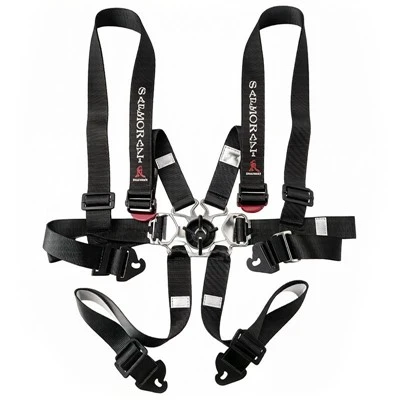
At the end of the day, it all comes down to matching parts built for each other. Your aftermarket seat is an upgrade, but it’s only as good as the harness it’s paired with. If you’re not sure if your current seat works with your current belts, or you’re looking to upgrade both, reach out to our team. We’ll walk you through everything, no sales pressure, just straight talk about what’s safe and what’ll work for your build. Don’t take chances with your safety—make sure your racing seat belts and aftermarket seats are a team, not rivals. Now go get that car sorted, and we’ll keep your belts ready for whatever you throw at them.
Car Seatbelt References:
- Automotive Safety Center. (2022). Compatibility of Restraint Systems and Aftermarket Seats in Performance Vehicles. Journal of Road Safety Engineering, 15(3), 112-128.
- SFI Foundation. (2023). Standard for Racing Seat and Harness Compatibility Testing. SFI Specification 16.1.
- Fédération Internationale de l’Automobile (FIA). (2021). Technical List: Restraint Systems and Aftermarket Seat Integration for Motorsport. FIA Motorsport Safety Report, 47-59.
Yangzhong Weian Mechanical and Electrical Co., Ltd.
As one of the most professional racing seat belts manufacturers and suppliers in China, we’re featured by quality products and good service. Please rest assured to wholesale racing seat belts in stock here and get quotation from our factory. Customized orders are welcome.
Address: Group 10, Xinhua Village, Xilaiqiao Town, Yangzhong City; West of The Bus Terminal On Yuanqu Avenue.
E-mail: hfsaml_2008@qq.com
WebSite: https://www.weianseatbelt.com/
